Quick answer: Lindt’s Lindor milk chocolate truffle is known for its thin outer chocolate shell that cracks open to reveal a smooth, silky melting center, a texture combination that’s the whole point of the product. It’s widely available at grocery stores, drugstores, and specialty chocolate shops, and it makes a broadly appealing, reliably well-received gift for almost any chocolate lover.
Lindor truffles have built a genuine following around one specific thing, the moment the thin chocolate shell cracks open to reveal the smooth, melting center underneath. It’s a texture experience as much as a flavor one, and understanding what actually makes it distinct helps explain why it’s such a popular gourmet gift choice. After more than twenty years hand-assembling gift baskets out of Orange Park, Florida, we’ve included Lindor truffles in plenty of gourmet gift baskets, and this guide covers what makes Lindor different from other chocolate truffles, what it’s made of, what it tastes like, where to find it, and how it shows up in gourmet gift baskets.
What Makes Lindor Different From Other Chocolate Truffles
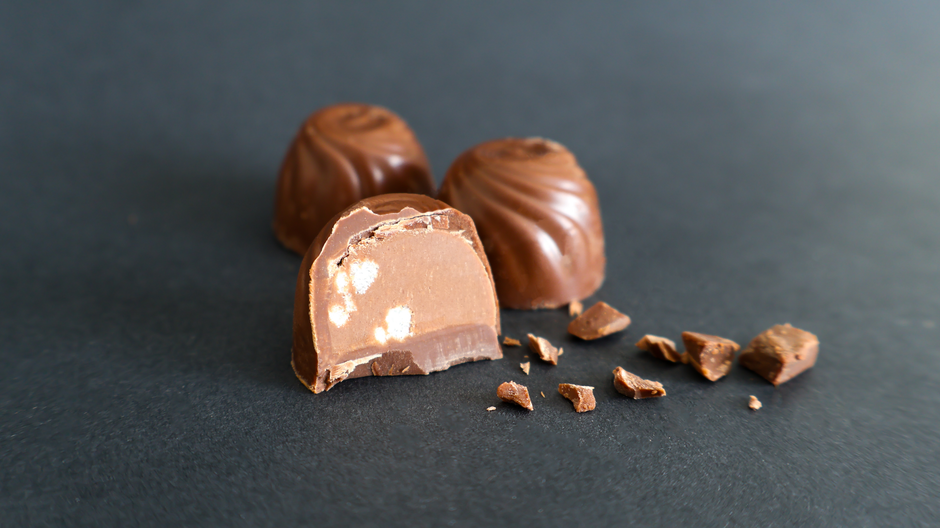
The defining feature of a Lindor truffle is the contrast between its two layers, a comparatively thin outer chocolate shell and a noticeably soft, smooth filling inside. Many other truffle-style chocolates use a thicker outer shell or a firmer ganache center, which makes Lindor’s specific texture combination stand out within the broader truffle category.
That smooth center is often described as having a texture closer to a light mousse than a traditional firm truffle filling, which is part of what makes the eating experience feel distinctly indulgent. The shell “cracking” open on the first bite is very much part of the intended experience, not an incidental detail.
Lindor also comes in a genuinely wide range of flavors beyond classic milk chocolate, dark chocolate, white chocolate, and seasonal or specialty flavors rotate throughout the year, which gives it more variety than many other single-flavor truffle brands.
The size and format are also worth noting, individually wrapped and roughly bite-sized, each truffle is designed to be eaten in one or two bites rather than shared or divided, which is part of what makes the brand well suited to a bag format where a recipient can enjoy a few at a time rather than committing to a larger single piece.
The individual foil wrapping also serves a practical purpose beyond presentation, it helps preserve the soft filling’s texture and prevents the truffles from sticking together in a bag or box, which matters more for this product than for a solid chocolate bar given how much softer the center is compared to standard chocolate.
What It’s Made Of
The milk chocolate variety pairs a milk chocolate outer shell with a milk chocolate filling, keeping the flavor profile consistent throughout rather than contrasting two different chocolate types. This consistency is part of what makes the milk chocolate version broadly appealing, even to someone who doesn’t usually seek out specialty chocolate.
The filling itself relies on a higher fat content than a standard chocolate bar, which is what gives it that smooth, almost pourable texture once the shell is broken. That higher fat content is a deliberate formulation choice, not an accident, and it’s central to the product’s whole appeal.
Temperature has a real effect on this specific product more than on most other chocolates, since the filling’s soft texture means the truffle can become noticeably runnier in warm conditions and firmer, almost fudge-like, when chilled. This sensitivity is worth keeping in mind for shipping or gifting during warmer months, since the ideal eating texture depends on it being stored at a reasonably moderate temperature.
This temperature sensitivity is also why many people specifically enjoy the product served slightly chilled during warmer months, since a light chill firms the filling up just enough to create a pleasant contrast with the shell’s initial crack, without losing the smooth, melting quality once the truffle has warmed slightly in the mouth.
What It Tastes Like
The milk chocolate variety is generally described as rich and smooth, with a flavor that’s sweeter and creamier than a standard chocolate bar, though some reviewers note the flavor leans more toward pure sweetness than deep chocolate complexity compared to a darker, more cocoa-forward truffle. It’s a crowd-pleasing profile more than a nuanced one, which is exactly the point for most gift-giving occasions.
The way the chocolate melts in the mouth is frequently mentioned as the standout quality, the initial snap of the outer shell giving way almost immediately to a soft, silky center that dissolves quickly rather than requiring much chewing. That immediacy is part of what makes it feel like a small, quick indulgence rather than a heavier dessert.
Overall, it’s a chocolate that tends to please a wide range of palates precisely because it isn’t trying to be complex or challenging, it’s built around pure, reliable indulgence, which makes it a safe, broadly appreciated choice for almost any chocolate-loving recipient.
For anyone who prefers a less sweet chocolate experience, the dark chocolate version offers a noticeably more balanced, less sugary profile than the milk chocolate original while keeping that same signature smooth, melting center. It’s worth offering both varieties in a larger gift basket if you’re not entirely sure which one your recipient would prefer.
The white chocolate version, meanwhile, tends to skew even sweeter than the milk chocolate original, with a distinctly different, creamier flavor profile that doesn’t carry the same cocoa notes at all. It’s worth treating white chocolate as its own separate category of preference rather than assuming a milk chocolate fan will automatically enjoy it too.
Seasonal and limited-time flavors, hazelnut, mint, salted caramel, and various holiday-specific varieties, add another layer of decision-making, and it’s genuinely worth checking what’s currently available before defaulting to the classic milk chocolate version out of habit. A less common flavor can make the gift feel a bit more special specifically because it isn’t the version most people already know well.
It’s worth checking a specific flavor’s availability window before building a gift around it, since seasonal varieties genuinely do sell out and disappear until the following year, unlike the core lineup which typically stays in stock year-round.
Where To Find It
Lindor truffles are widely available at grocery stores, drugstores, and mass retailers, typically sold in resealable bags of individually wrapped truffles, as well as in gift boxes and seasonal packaging around holidays. Dedicated Lindt retail stores and specialty chocolate shops also carry a wider range of flavors than a typical grocery store aisle.
Bulk bags are a practical option if you’re assembling several gift baskets at once or want to include a generous quantity within a single larger basket, while individually boxed sets work well as a standalone gift or a smaller addition to a broader gourmet assortment.
Seasonal and limited-time flavors tend to sell out faster than the core lineup, so it’s worth checking early if you’re specifically hoping to include a rotating flavor in a gift, rather than waiting until close to the occasion and finding it already gone from shelves.
How It Shows Up In Gourmet Gift Baskets
Lindor truffles work especially well as a centerpiece indulgence within a gourmet gift basket, paired with less sweet items like specialty tea, nuts, or savory crackers to balance out the overall richness of the basket rather than everything leaning equally sweet.
They’re also a strong standalone gift on their own, especially in a nicer gift box format, for an occasion where chocolate itself is the whole point of the gesture. If you’re building a broader gourmet gift, our Gift Baskets hub covers additional pairing ideas beyond truffles alone.
Mixed-flavor assortments, combining milk, dark, and a specialty flavor together in one bag or box, are worth considering specifically for a gift basket, since they let a single item cover more ground across different chocolate preferences than committing to one flavor alone would.
Ready to build a gourmet gift basket around a truly indulgent chocolate centerpiece? Basketique has spent over twenty years hand-assembling gift baskets out of Orange Park, Florida, and we know how to pair a rich treat like Lindor with the right complementary items.
Browse our Gift Baskets picks for gourmet chocolate gift ideas.
Do Lindor truffles need to be refrigerated?
No, they’re shelf-stable at room temperature, though storing them somewhere cool and away from direct sunlight helps preserve both texture and appearance, especially in warmer climates where chocolate can soften or bloom.
Are there flavors besides milk chocolate?
Yes, dark chocolate, white chocolate, and a rotating range of seasonal or specialty flavors are commonly available, which makes it easy to build a varied assortment if you want more than one flavor in a gift basket.
Is Lindor a good gift for someone with a nut allergy?
The classic milk chocolate truffle doesn’t contain nuts as a primary ingredient, but it’s always worth checking the specific packaging for allergen and cross-contamination warnings before including it in a gift for someone with a serious allergy.
How long do Lindor truffles stay fresh once opened?
They’re best enjoyed within a few weeks of opening for optimal texture and flavor, though they remain safe to eat well beyond that if stored properly in a cool, dry place. In our experience, they rarely last that long once a bag is opened.
Is Lindor considered a luxury or everyday chocolate brand?
It sits in a genuinely accessible middle ground, widely available at everyday retailers but still perceived as a step up from standard candy bar chocolate, which is part of what makes it such a popular, broadly appealing gift choice.
Leave a Reply