Quick answer: Dark chocolate candy bars range from mild, sweeter bars around 45 to 60 percent cocoa to intense bars of 85 percent and above. The percentage tells you how much of the bar comes from cocoa beans, not how good it is, so the best way to choose is by flavor style and brand, starting around 70 percent if you’re new to dark chocolate.
Standing in the candy aisle looking at a wall of dark chocolate candy bars can be surprisingly confusing. One wrapper says 60 percent, another says 85, and a third lists a country of origin you’ve never seen on chocolate before. Whether you’re shopping for yourself, filling a gift basket, or trying to find the perfect bar for a chocolate-loving friend, it helps to know what all those numbers and labels actually mean. Over our years building gourmet baskets, dark chocolate was one of the most requested additions, and we learned that people’s tastes vary enormously. This guide explains what cocoa percentage really tells you, the main flavor styles, well-known brands worth trying, how to taste dark chocolate like a pro, and how to gift it beautifully.
What Cocoa Percentage Really Tells You
The percentage on a dark chocolate bar refers to the total amount of ingredients that come from the cocoa bean, which includes cocoa solids and cocoa butter. Most of the rest is sugar, with small amounts of vanilla, an emulsifier like lecithin, and sometimes milk ingredients. A 70 percent bar is roughly 70 percent cocoa and 30 percent mostly sugar.
In general, the higher the percentage, the less sweet and more intense the bar will taste. Bars around 50 to 60 percent are mellow and approachable, 70 to 75 percent is the classic dark chocolate sweet spot for many people, and 85 percent and above can taste bold, bitter, and almost savory.
What the percentage doesn’t tell you is quality or flavor. Two bars with the same percentage can taste completely different depending on the beans, how they were roasted, and how long the chocolate was refined. A higher number isn’t automatically better. It simply means more cocoa and less sugar, which suits some people and not others.
The ratio of cocoa butter to cocoa solids also matters, even though it isn’t printed on the label. A bar with more cocoa butter tends to feel smoother and melt more readily, while one with more solids can taste drier and more intense. That’s part of why tasting a few bars side by side is more useful than comparing numbers on wrappers.
Flavor Styles From Mild To Intense
Mild dark chocolate, roughly 45 to 60 percent, is creamy, sweet, and very approachable. It’s a good introduction for milk chocolate fans and works well for baking, dipping fruit, or snacking. Hershey’s Special Dark is a familiar example of this milder, sweeter style.
Classic dark, around 65 to 75 percent, offers a balance of sweetness and depth. You’ll often taste notes like coffee, dried fruit, toasted nuts, or vanilla. This range is where many people settle, and it’s a safe choice for gift baskets because it appeals to a wide range of chocolate lovers.
Intense dark chocolate, 80 percent and above, is bold and bitter, with less sugar to soften the cocoa flavor. Some people find it too strong, while others love its earthy, almost wine-like complexity. It pairs beautifully with strong coffee, red wine, or aged cheese.
Flavored dark chocolate candy bars add another layer. Sea salt, orange, mint, chili, raspberry, almond, and caramel are all popular, and they can make an intense chocolate easier to enjoy. Inclusions like nuts, toffee, or cookie pieces also change the texture, so check the label if the recipient has allergies.
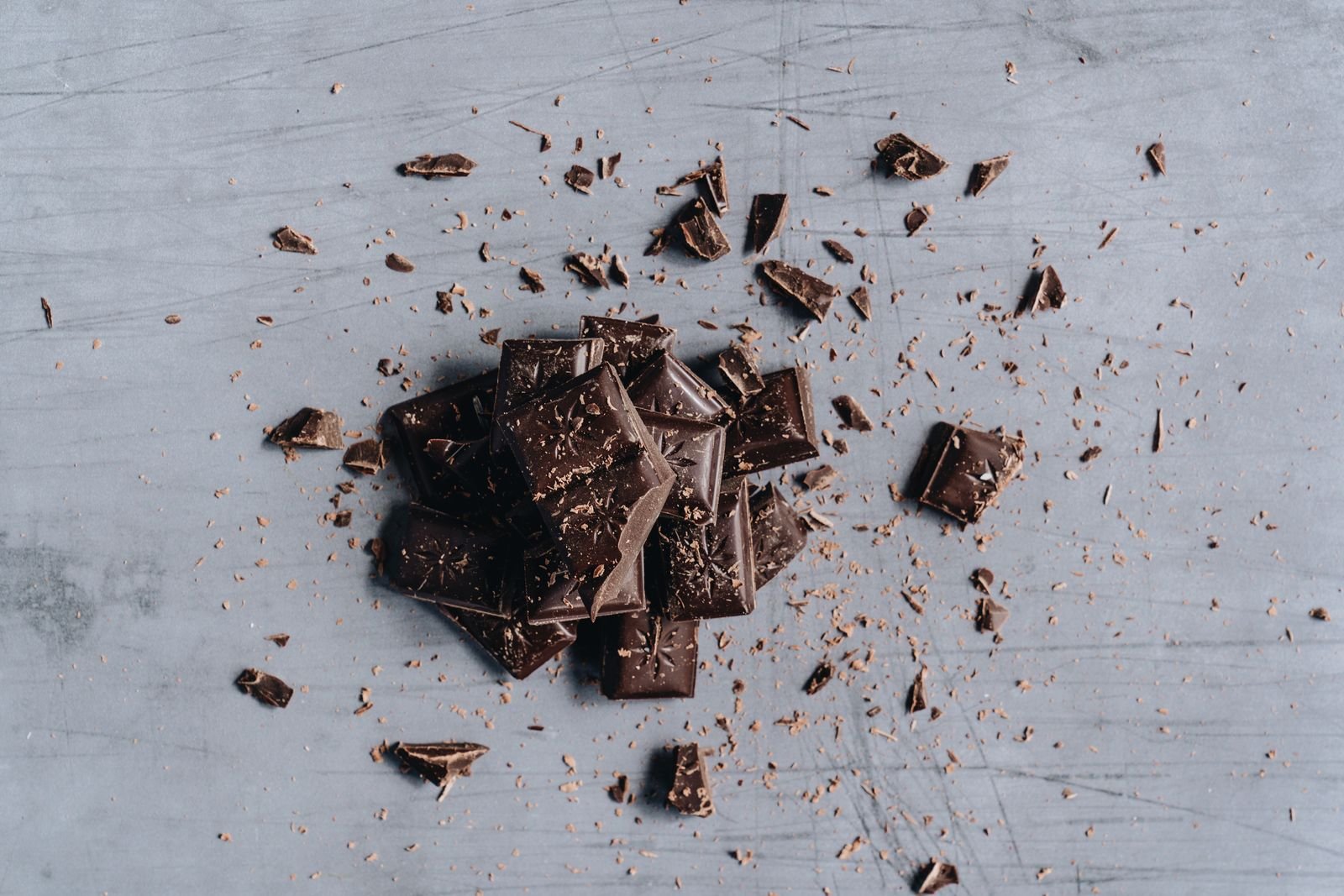
Well-Known Dark Chocolate Candy Bars Worth Trying
Lindt Excellence is one of the most widely available ranges, with bars from 70 percent up to 90 percent and beyond, plus flavored options like sea salt and orange. It’s a reliable choice for exploring different intensities side by side. Ghirardelli’s Intense Dark line is another easy-to-find favorite, and we cover it in detail in our Ghirardelli Intense Dark guide.
Green and Black’s, Chocolove, Alter Eco, Endangered Species, and Theo are well-known brands with dark bars in a variety of percentages and flavors, and many focus on organic or fair trade sourcing. Taza is known for its rustic, stone-ground texture, which is a fun contrast to smoother European-style bars.
For a more adventurous gift, look at craft or bean-to-bar makers that list a single origin on the wrapper, such as Madagascar, Ecuador, or Peru. These bars tend to highlight distinctive flavor notes and are a lovely way to introduce someone to a new side of chocolate. Product lines change, so check what’s currently available at your local store or online.
If you’re unsure where to start, a sampler of three bars at different percentages from the same brand is a smart, inexpensive way to discover what someone likes. It takes the guesswork out of gifting and makes for a fun tasting at home.
How To Taste Dark Chocolate
Tasting dark chocolate slowly helps you notice flavors you’d miss when eating it quickly. Start with the bar at room temperature, since cold chocolate tastes muted. Look at the surface, which should be glossy, then break off a piece and listen for a clean snap, a sign of well-tempered chocolate.
Smell the piece before tasting. Then place it on your tongue and let it melt rather than chewing right away. Notice how the flavor changes as it melts, from initial sweetness or bitterness to fruit, nut, coffee, or spice notes, and pay attention to how long the flavor lingers after it’s gone.
If you’re tasting several bars, start with the lowest percentage and work up, and sip water between samples. It’s a fun activity to share with friends or family, and it makes a great theme for a gift basket or a small party.
Don’t worry if you see a white or gray haze on a bar. That’s called bloom, and it usually happens when chocolate has been stored in a warm or humid place. It affects the look and texture a little but is generally harmless.
Gifting Dark Chocolate Candy Bars
A stack of beautifully wrapped dark chocolate candy bars tied with ribbon is a simple, elegant gift. For something more special, create a tasting flight of three to five bars at different percentages or origins, with a small card explaining each one. Add a bag of coffee, a tin of tea from our Tea Room favorites, or a bottle of wine for adults.
Dark chocolate also fits beautifully into larger gourmet gift baskets. Pair it with dried fruit, roasted nuts, crackers, and cheese for a sophisticated mix. Our chocolate gift baskets guide has more ideas.
We don’t make any health claims about dark chocolate, and it’s worth noting that some bars contain dairy, soy, nuts, or other allergens, even when they look plain. Remind recipients to check labels, especially if they have food sensitivities.
Storage is worth a quick mention in your gift note, too. Dark chocolate keeps best in a cool, dry spot away from sunlight, ideally somewhere between a cool pantry and room temperature, rather than in the fridge, where it can pick up moisture and odors. If you’re shipping bars during warm months, choose a retailer that uses insulated packaging or cold packs, or plan the gift for cooler weather so it arrives looking as good as it tastes.
Why Two 70 Percent Bars Can Taste So Different
This is the question most guides skip, and it’s one of the most interesting parts of dark chocolate. Cocoa beans from different regions have distinct flavors, much like coffee or wine. Beans from Madagascar are often described as bright and fruity, while beans from West Africa tend to taste more like classic, deep cocoa.
Processing matters too. How long the beans are fermented, how dark they’re roasted, and how long the chocolate is ground and refined all change the final flavor and texture. That’s why one 70 percent bar can taste smooth and fruity while another tastes roasty and bold. Exploring a few side by side is the best way to find your favorite.
The added ingredients play a role as well. Some makers use only cocoa, sugar, and a touch of vanilla, while others add emulsifiers or milk ingredients that soften the flavor. Reading the ingredient list on two bars with the same percentage often explains the difference you taste.
Want to turn a few great chocolate bars into a memorable gift? Basketique has decades of gourmet gift basket experience and plenty of ideas for chocolate lovers.
Explore our gift basket guides and our ideas by occasion to find a trusted retailer.
What percentage counts as dark chocolate?
There isn’t one universal rule, but most bars labeled dark chocolate start around 50 to 55 percent. Many people consider 70 percent and above to be classic dark chocolate.
Is higher cocoa percentage better quality?
Not necessarily. A higher percentage means more cocoa and less sugar, but quality depends on the beans and how the chocolate is made, so taste matters more than the number.
Does dark chocolate contain dairy?
Some dark chocolate bars contain milk ingredients or are made on shared equipment. Always check the label, especially for anyone with a dairy allergy.
What dark chocolate should I buy for someone new to it?
Start with a bar around 60 to 70 percent or a flavored bar like sea salt or orange. Basketique often suggests a sampler of a few percentages so they can discover what they like.
Why does my dark chocolate have a white coating?
That’s called bloom, and it usually comes from temperature changes or humidity. It affects appearance and texture slightly but is generally safe to eat.
Leave a Reply