Quick answer: A good client gift feels genuine rather than transactional, is budgeted appropriately for how established the relationship is, and stays professional enough not to overstep. New clients generally call for a lighter touch than long-term relationships, and checking the recipient’s company gift policy first avoids putting anyone in an awkward spot.
Client gifts sit at an interesting intersection of business and genuine appreciation, and getting the tone right matters as much as the gift itself. After more than twenty years hand-assembling gift baskets in Orange Park, Florida, we’ve seen what makes a client gift feel like a real thank-you rather than a marketing tactic. That distinction matters more than most businesses realize, since a client can usually tell within a few seconds of opening a gift whether it was chosen with them in mind or pulled from a generic corporate catalog. This guide covers what makes a client gift feel genuine, how to budget by relationship stage, when to send one, what to avoid, and how to personalize it appropriately.
What Makes A Client Gift Feel Genuine, Not Transactional
A client gift feels genuine when it’s clearly not tied to an immediate ask. Sending a thoughtful gift right after closing a deal or right before renewal talks can read as transactional, even if that’s not the intent, while a gift sent with no strings attached, a simple thank-you or holiday gesture, tends to land better.
Genuine curiosity about the client as a person, within professional bounds, tends to come through in the gift itself. A gift chosen because you noticed something specific about their preferences, rather than one picked purely because it’s what your company typically sends, reads as a real gesture rather than a routine part of doing business.
Quality over branding also matters here. A gift that’s obviously more about promoting your company logo than actually thanking the client can undercut the gesture. Many businesses find that a tasteful, high-quality gift with minimal or no branding reads as more genuine than something clearly built around marketing.
Consistency also plays a role in how genuine a gift feels. A client who receives a thoughtful gift only once, right after signing a contract, may read it differently than one who receives an occasional, well-timed gesture across the life of the relationship. Spacing out genuine touchpoints, rather than concentrating them all around new business, signals that the relationship itself is what you value.
Budget Guidelines By Relationship Stage
How much to spend on a client gift generally depends on how established the relationship is. For a brand-new client, a modest, warm gift in the twenty five to forty dollar range is usually appropriate, enough to say thank you without feeling like you’re trying too hard to impress. For established, long-term clients, many businesses move into the fifty to a hundred dollar range, reflecting the deeper relationship.
For your very top clients, the ones responsible for a significant share of your business, a premium gift above that range can make sense, though it’s worth checking their company’s gift policy first, since higher-value gifts are more likely to run into acceptance limits.
For clients somewhere in between, the majority of a typical client list, a moderate gift in the forty to seventy dollar range tends to strike the right balance, generous enough to feel intentional without appearing disproportionate to a relationship that’s still developing. Adjusting slightly within that range based on how frequently you interact with the client can help fine-tune the amount further.
Best Occasions For Client Gifting
The most natural occasions for client gifts are the winter holidays, a client’s business anniversary with your company, a major milestone they’ve hit, or a simple thank-you after a successful project. Sending a gift completely unprompted, not tied to any occasion at all, can also be a memorable gesture precisely because it’s unexpected.
For more occasion-specific ideas, our corporate gift guide and Gift Basket Ideas By Occasion guide both cover a wider range of situations.
What To Avoid
Avoid gifts that feel overly personal for a business relationship, anything that assumes a level of closeness you don’t actually have with the client. It’s also worth avoiding gifts timed right before a contract renewal or a sensitive negotiation, since even a well-meaning gesture can read as an attempt to influence the outcome.
It’s worth avoiding gifts that require significant effort or coordination on the client’s end too, an item that needs assembly, a reservation they have to book, or anything with a use-by deadline that adds pressure rather than removes it. A client gift should feel like a gesture they can enjoy on their own terms, not one more thing added to their to-do list.
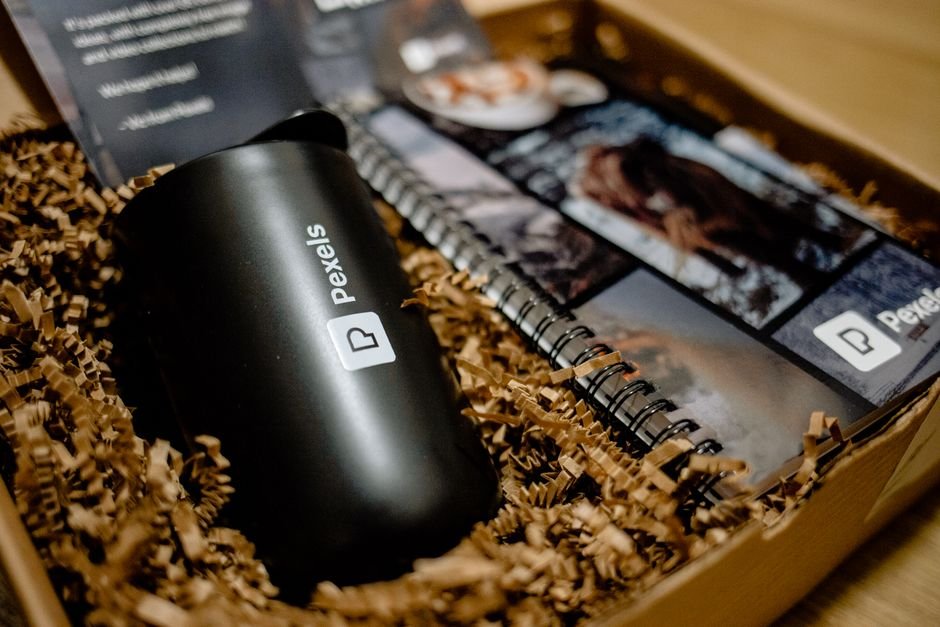
Skip heavily logo-branded items as the centerpiece of the gift too. A subtle touch of branding is fine, but a gift that reads more like a promotional item than a genuine thank-you tends to undercut the gesture.
How To Personalize Without Overstepping
Personalizing a client gift works best when it stays professional. Referencing something specific about the working relationship, a successful project, a shared conversation, in a card is usually enough without needing to know deeply personal details about the recipient’s life.
If you do know a professional preference, a favorite coffee, a hobby they’ve mentioned in meetings, incorporating that detail can make the gift feel considered without crossing into territory that feels too personal for a business relationship. A good general test is whether the detail came up naturally in the course of doing business together, rather than something you’d only know from following someone’s personal social media, since the former stays comfortably within professional bounds while the latter can feel unexpectedly intrusive. When in doubt, staying slightly more reserved is always the safer direction to lean, since it’s much easier to warm up a professional gesture gradually over time than to walk back one that felt too familiar or presumptuous too soon in the relationship.
When multiple people at your company work with the same client, coordinating the gift as a team rather than sending separate individual gifts avoids an awkward pileup and lets everyone contribute to one thoughtfully chosen gesture. It also gives you room to include a note signed by the full team, which often reads as more meaningful than several smaller, less coordinated gifts arriving separately.

Looking for client gift ideas that fit exactly where your relationship stands? Basketique has spent over twenty years hand-assembling gift baskets out of Orange Park, Florida, and we’ve organized our client gift picks by relationship stage and budget.
Browse our client gift picks, or read more about our roots on our About Us page.
Is it okay to send a client gift to someone I’ve never met in person?
Yes, plenty of client relationships are managed remotely, and a thoughtful gift works just as well when the relationship exists mostly over calls and email. Keeping the gift on the more universal, professional side is usually the safer choice when you don’t know the recipient’s personal preferences well.
Should I send the same gift to every client on my list?
A consistent base gift across most of your list is completely reasonable, and you can reserve a more personalized or premium option for your top handful of relationships. Basketique’s client gift picks include options at a few different tiers to make this easier.
What if the client’s company doesn’t allow gifts at all?
Some organizations, particularly in government, healthcare, or publicly traded companies, restrict or prohibit accepting gifts entirely, so it’s worth checking before you order rather than assuming it’s fine. If gifts aren’t allowed, a genuine thank-you note or a small, low-cost gesture is usually still appropriate.
Is it weird to send a gift if I’m hoping to win their business, not keep it?
A modest, no-strings-attached gift to a prospective client can be a reasonable relationship-building gesture in many industries, as long as it doesn’t come across as an attempt to influence a specific decision. Timing it away from active negotiations helps keep the gesture feeling genuine.
How do I know if a client gift is too extravagant?
If the gift’s value seems disproportionate to the relationship or could reasonably make the recipient uncomfortable, it’s probably worth scaling back. In our experience, a well-chosen, moderately priced gift almost always lands better than an overly lavish one that puts the recipient in an awkward position.
Leave a Reply