Quick answer: To make chocolate covered fruit at home, choose firm fruit like strawberries, banana slices, pineapple, apple slices, orange segments, or dried apricots, then dry it completely. Melt chocolate gently in short bursts, dip each piece, let the excess drip off, and set it on parchment until firm. Add toppings while the chocolate is soft, and enjoy the fruit soon after making it.
There’s something about chocolate covered fruit that makes any occasion feel special. A platter of glossy dipped pineapple and banana at a birthday party, a box of chocolate orange slices for a holiday gift, or a tray of dipped apple wedges for a cozy movie night all feel a little fancy, even though they’re surprisingly simple to make. Maybe you’ve seen beautiful chocolate covered fruit in a shop window and wondered whether you could recreate it in your own kitchen. You absolutely can. In our decades of assembling fruit and chocolate gifts in Orange Park, Florida, we learned the small details that separate glossy, crisp coatings from streaky, sliding ones. This step-by-step guide covers the best fruits, equipment and chocolate, prepping and drying, melting and dipping, and toppings, packaging, and gifts.
Best Fruits For Dipping
Strawberries get most of the attention, but plenty of fruits shine in chocolate. Firm, sturdy fruits work best because they hold their shape and don’t release too much juice. Banana slices, pineapple chunks, apple wedges, pear slices, orange segments, and cherries with stems are all excellent choices. If strawberries are your focus, our white chocolate dipped strawberries guide covers them in detail.
Bananas are a crowd favorite. Cut them into thick coins or halves, and dip them right before serving, or freeze the dipped slices for a frozen treat. They brown quickly once cut, so work fast or plan to freeze them. Pineapple is sweet and tangy and holds up well, but it’s juicy, so pat each piece very dry.
Apples and pears pair beautifully with chocolate and caramel. Slice them into wedges, then brush lightly with a little lemon juice to slow browning, and dry thoroughly before dipping. Orange segments and clementines add bright citrus flavor, especially with dark chocolate, and they’re a classic holiday treat.
Dried fruit is the easiest of all. Dried apricots, figs, mango, and candied orange peel have very little moisture, so the chocolate adheres easily and they keep longer than fresh fruit. They’re perfect for gift boxes. Grapes, kiwi, and melon can work too, but they’re wetter and more delicate, so they’re best eaten soon after dipping.
Equipment And Chocolate Choices
You don’t need much equipment. A microwave-safe bowl or a double boiler, a silicone spatula, a baking sheet lined with parchment paper, toothpicks or skewers, and paper towels cover the basics. A thermometer is helpful if you plan to temper chocolate, but it isn’t required for casual dipping.
Choose good chocolate, since it’s the star of the show. Chopped chocolate bars or high-quality chocolate chips work well. Dark, semisweet, milk, and white chocolate all have different personalities. Dark chocolate balances sweet fruit, milk chocolate is creamy and kid-friendly, and white chocolate is sweet and pretty with colorful toppings.
Candy melts and compound coating chocolates are another option. They melt smoothly and set firm without tempering, which makes them easier for beginners and great for colorful drizzles. Many people find they don’t taste as rich as real chocolate, though, so it’s a tradeoff between convenience and flavor.
A small spoonful of coconut oil or vegetable shortening stirred into melted chocolate can thin it for smoother dipping, especially for delicate fruit. Remember that chocolate often contains milk and soy, and some brands are made in facilities with nuts or wheat, so check labels for allergens if you’re sharing.
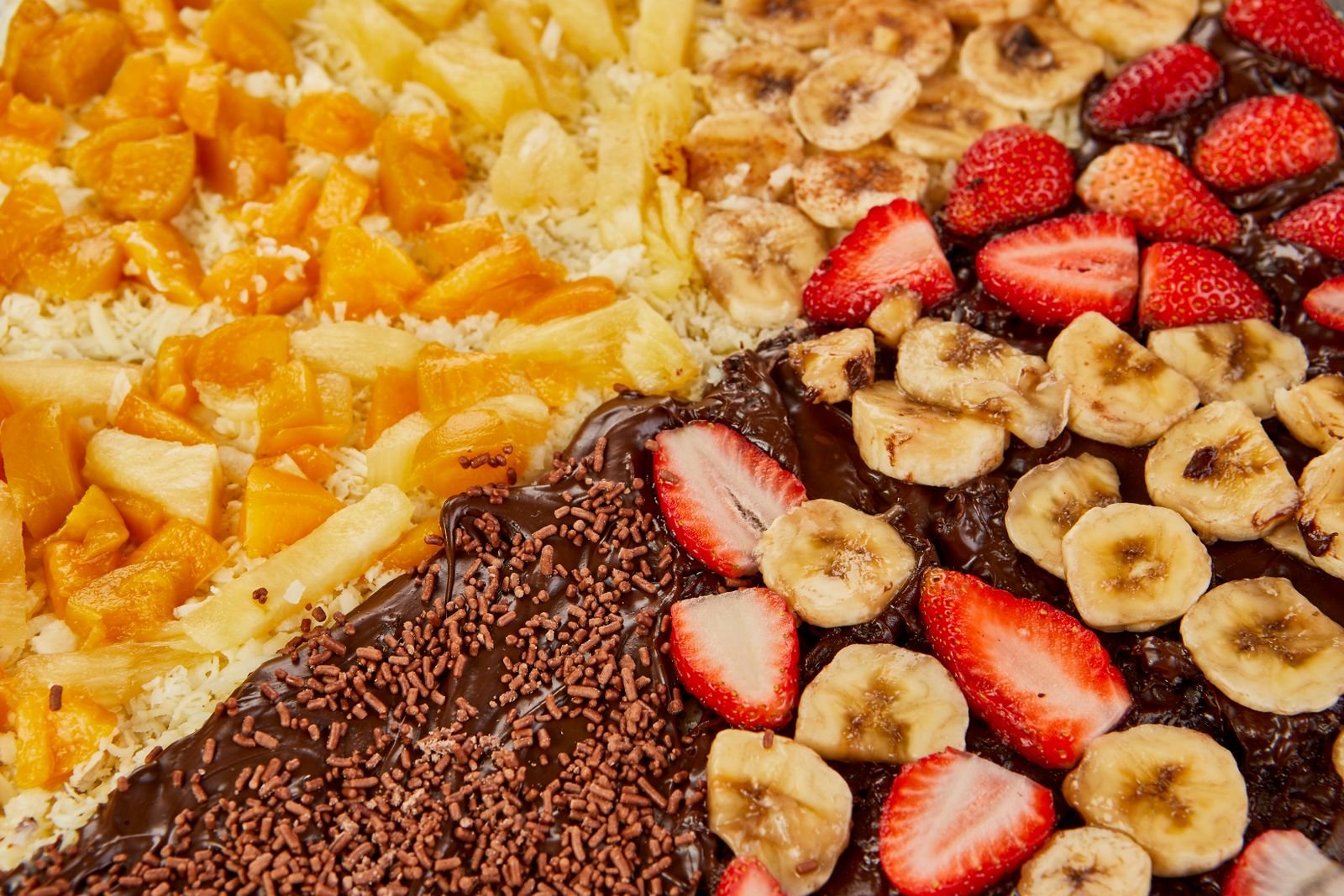
Prepping And Drying The Fruit
Drying is the most important step, and it’s where many first attempts go wrong. Water and melted chocolate don’t mix. Even a few drops of moisture can cause chocolate to seize, turning thick and grainy, or to slide right off the fruit. Every piece needs to be completely dry before it meets the chocolate.
Wash fruit gently and well ahead of time, then lay it on paper towels and pat it dry. For juicy fruits like pineapple and orange segments, let them air-dry for a while, then pat again. Some people dry citrus segments on a rack so air can reach all sides.
Bring fruit close to room temperature before dipping. Cold fruit straight from the fridge can cause condensation as it warms, which creates moisture under the chocolate and leads to sweating. The exception is when you’re making frozen treats on purpose, which our frozen strawberries dipped in chocolate guide covers.
Cut fruit into sturdy, even pieces. Thick banana coins, pineapple chunks, and wedges hold up better than thin slices. Insert toothpicks or skewers into pieces without natural stems so you can dip them cleanly and keep your fingers out of the chocolate.
Melting, Dipping, And Setting
Melt chocolate gently. In a microwave, heat it in short bursts, stirring well between each one, until it’s mostly melted, then stir until smooth. On a double boiler, set the bowl over barely simmering water, making sure no steam or water gets into the chocolate. Overheating can make chocolate thick, dull, or burnt.
Dip one piece at a time. Hold the fruit by its stem or skewer, dip it about two-thirds of the way, and twist gently. Lift it out and let the excess drip back into the bowl, tapping lightly on the rim. Scrape the bottom against the edge so a puddle doesn’t form when you set it down.
Place dipped fruit on the parchment-lined tray, leaving space between pieces. Let it set at cool room temperature, or briefly in the refrigerator if your kitchen is warm. Chocolate that sets slowly at room temperature often stays glossier, while quick chilling can cause a dull finish or condensation.
If you want a professional snap and shine, look up the seeding method for tempering chocolate, which involves melting part of the chocolate and stirring in the rest to bring the temperature down. It takes practice, but it’s satisfying when it works.
Toppings, Packaging, And Chocolate Covered Fruit Gift Ideas
Add toppings right after dipping, while the chocolate is still soft. Chopped nuts, shredded coconut, sprinkles, crushed cookies, flaky sea salt, and mini chocolate chips all add texture and flavor. A contrasting drizzle, like white chocolate over dark, looks polished with very little effort.
For gifting, presentation matters. Mini paper candy cups keep pieces separate and tidy. A sturdy box lined with parchment, a clear cellophane bag tied with ribbon, or a decorative tin makes a lovely package. Dried fruit dipped in chocolate travels best and keeps longer, so it’s ideal for gifts that need to be mailed or kept for a few days.
Fresh chocolate covered fruit is best enjoyed soon after making it. Store it loosely covered, and refrigerate if it won’t be eaten fairly quickly. Our guide to how you store chocolate dipped strawberries shares tips that apply to most dipped fruit.
For an easy party platter, combine several fruits and chocolates on a board with fresh berries in the center. Label any toppings with nuts, and include a note about allergens for guests. Pair it with a fruit basket from our fruit and watermelon baskets guide for a generous spread.
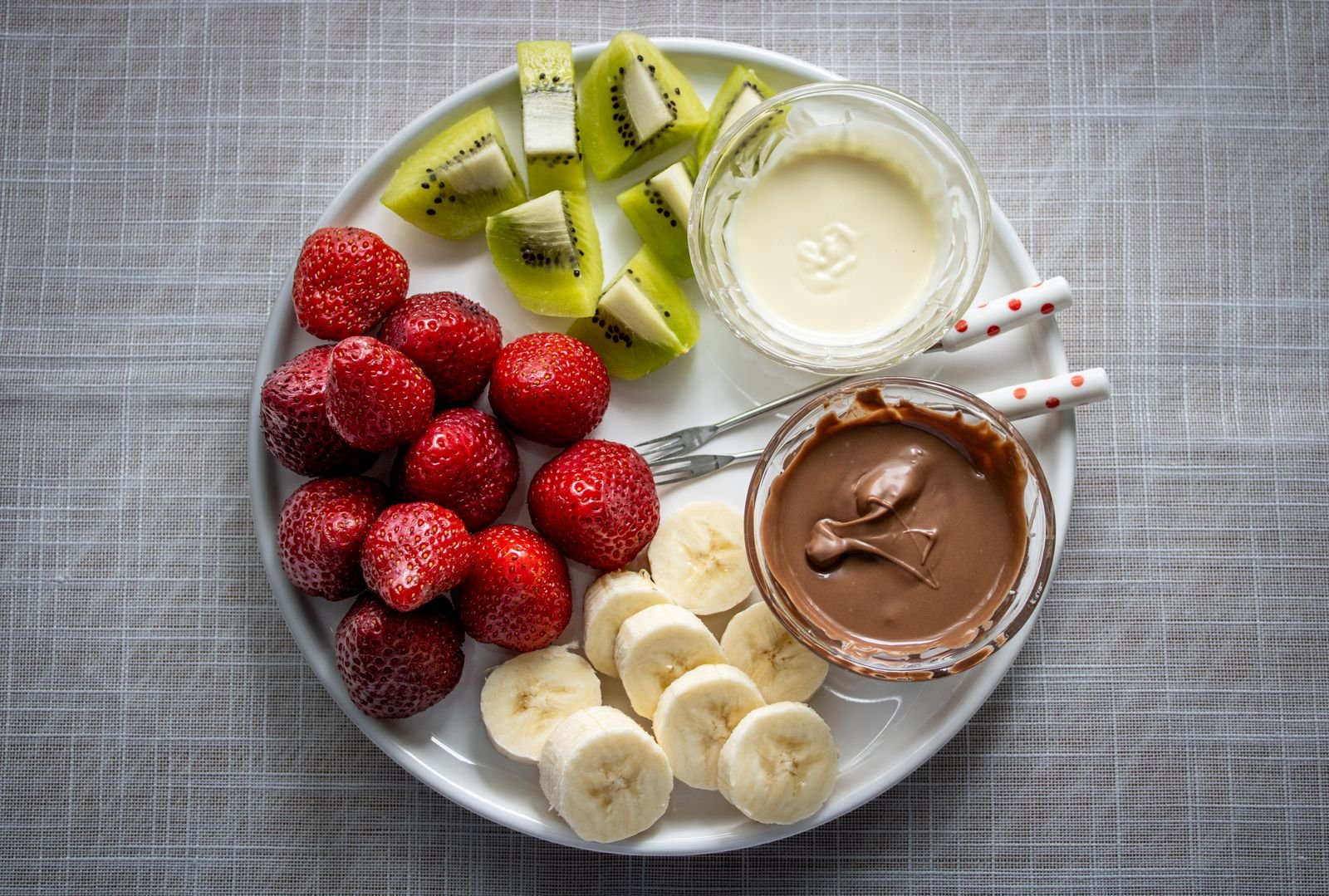
Troubleshooting Chocolate Covered Fruit At Home
Most recipes skip what to do when things go wrong. If your chocolate seizes and turns thick and grainy, moisture or overheating is usually the cause. Sometimes stirring in a small amount of warm oil can loosen it enough for drizzling, though it may not be smooth enough for dipping.
If chocolate slides off the fruit or pools at the bottom, the fruit was likely wet or too cold, or the chocolate was too thin. Dry fruit thoroughly, let it come to room temperature, and let excess chocolate drip off before setting it down.
If your coating looks streaky or dull, the chocolate may have overheated or set too quickly. Melt it more gently next time and let pieces set at cool room temperature. Streaky chocolate still tastes great, so don’t toss it.
If cut fruit browns or weeps under the chocolate, it was probably dipped too far ahead of time. Apples, pears, and bananas are best dipped close to serving, and fresh dipped fruit generally shouldn’t sit for long before eating.
Would you rather buy than make? Basketique has decades of hands-on fruit and chocolate gift experience, and our guides help you compare chocolate covered fruit from trusted retailers.
Read our chocolate covered fruit delivery guide or our look at Edible Arrangements chocolate dipped strawberries to compare ready-made options.
What fruit is best for chocolate covered fruit?
Firm fruits like strawberries, banana slices, pineapple, apple wedges, orange segments, and dried apricots work well. Very juicy fruits are best eaten soon after dipping.
Why won’t chocolate stick to my fruit?
Usually the fruit is wet or too cold. Dry each piece completely and let it come close to room temperature before dipping.
Can I use chocolate chips for dipping fruit?
Yes, though some chips contain stabilizers that make them thicker when melted. Stirring in a little coconut oil can help them coat more smoothly.
How long does homemade chocolate covered fruit last?
Fresh dipped fruit is best enjoyed soon after making it. Chocolate dipped dried fruit keeps longer, so it’s better for gifts that need to travel.
Can I make chocolate covered fruit for a party ahead of time?
You can prepare and dry the fruit ahead, but dip it as close to the party as possible. Basketique suggests dried fruit for anything you need to make a day or more in advance.
Leave a Reply