Quick answer: The chocolates with least calories per piece are usually small, portioned treats, like individually wrapped minis, thin chocolate squares, or airy and wafer-style bars, along with chocolate-dipped fruit. Calorie counts vary by product and serving size, so the most reliable way to compare is to check the nutrition label on the actual package.
Maybe you love chocolate but prefer a lighter treat after dinner, or you’re putting together a gift for someone who has mentioned wanting smaller portions. Searching for chocolates with least calories brings up plenty of lists, but numbers vary widely between brands and serving sizes, and many articles don’t explain how to compare products for yourself. Over our years building gourmet gift baskets, we learned that lighter chocolate gifts can be every bit as delightful as indulgent ones, as long as they’re chosen thoughtfully. This guide explains what makes one chocolate lighter than another, which styles tend to be lighter, how to read labels and portion sizes, lighter treats that still feel special, and how to give them with care.
What Makes One Chocolate Lighter Than Another
Calories in chocolate come mostly from sugar and fat, which includes cocoa butter, milk fat, and added fats from fillings like caramel, nougat, or nut butters. A chocolate with lots of filling, nuts, or caramel tends to be more energy-dense than a plain piece of the same size, simply because those ingredients add calories.
Texture can make a difference, too. Airy or aerated chocolate, wafer bars, and puffed rice chocolates have air or crisp layers inside, so a piece of the same size may weigh less than a solid chunk. That’s one reason a crispy bar can feel larger while containing fewer calories per piece than a dense, solid one.
Portion size is the biggest factor of all. A single mini chocolate or a thin square naturally has fewer calories than a full-size bar, even if the chocolate itself is the same. Many lighter-chocolate lists are really lists of small, individually wrapped portions, which is helpful to know when you’re comparing products.
Ingredients beyond the chocolate also play a role. Bars with dried fruit, biscuit layers, or crispy inclusions can vary in calories compared with solid chocolate, sometimes up and sometimes down, depending on the recipe. The only way to know for sure is to compare nutrition labels rather than guessing from the wrapper.
Chocolate Styles That Tend To Be Lighter
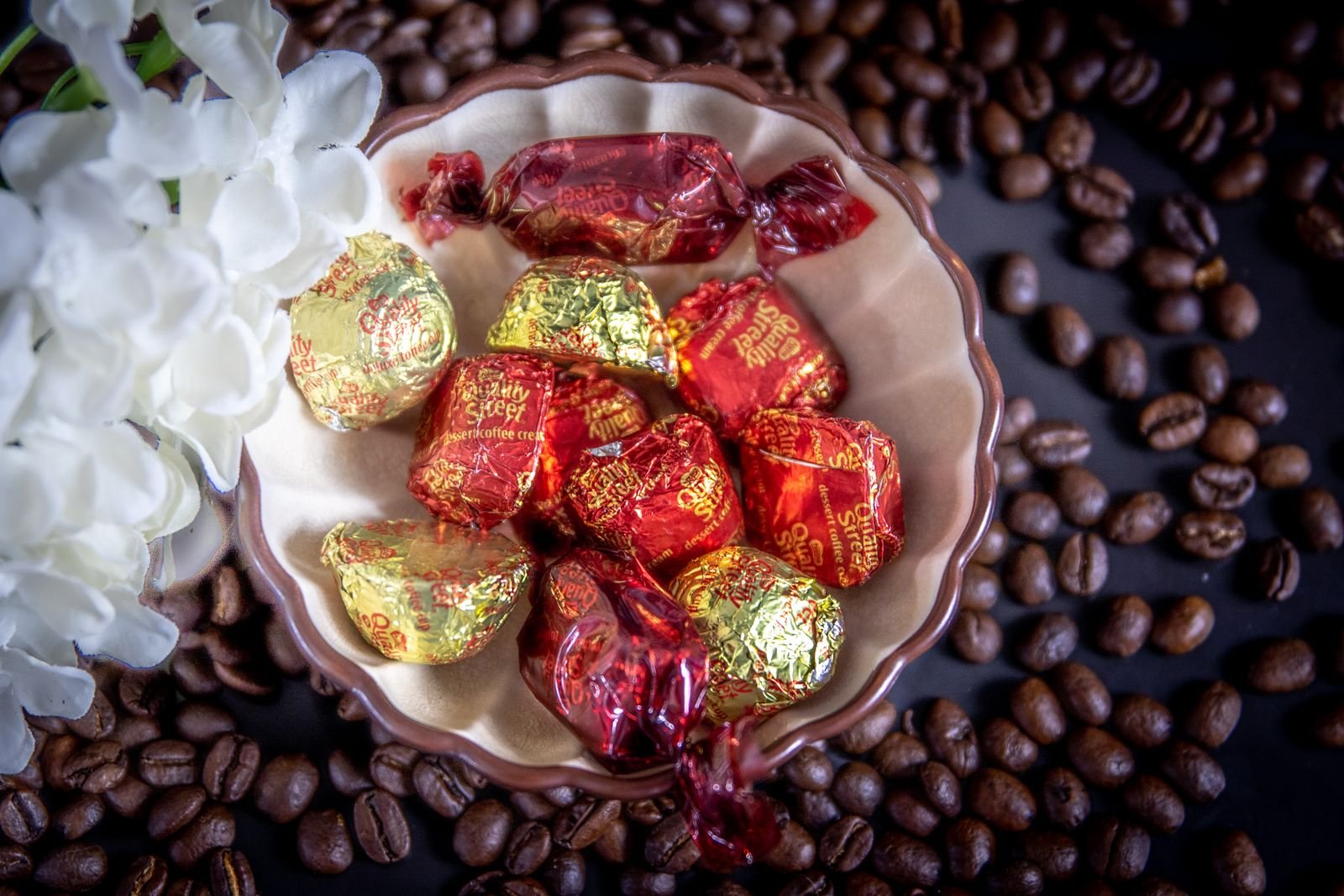
Individually wrapped minis and bite-size chocolates are a popular choice, because each piece is small and easy to enjoy one at a time. Thin chocolate squares and wafer-thin mints are similar, offering a satisfying chocolate moment in a small portion.
Wafer and crispy bars, like chocolate-covered wafers or puffed rice bars, can be lighter per piece than solid chocolate because of the air and crisp layers inside. Chocolate-dipped fruit, such as strawberries, orange slices, or apricots, combines a small amount of chocolate with fruit for a lighter-feeling treat.
Some people find that a small piece of intense dark chocolate is more satisfying than a larger portion of a sweeter chocolate, simply because the flavor is stronger. That’s a personal preference rather than a rule, but it’s worth considering if you’re building a gift for a dark chocolate fan.
Chocolate-covered nuts, pretzels, or rice cakes are another option some people enjoy, though nuts are calorie-dense, so portion size matters. As always, compare labels and choose what suits the recipient’s tastes and needs.
Portion Size, Labels, And Finding Chocolates With Least Calories
The nutrition label is your best friend. Look first at the serving size, since one brand might list a serving as a single piece while another lists four pieces or half a bar. Comparing calories without matching serving sizes can be misleading.
Next, check calories, sugar, and fat per serving, and look at the ingredient list for fillings, nuts, and sweeteners. Some products advertise “reduced sugar” or “sugar-free,” but that doesn’t automatically mean fewer calories, as we’ll explain below.
We don’t share specific calorie numbers here, because products and recipes change and figures you find online can be outdated. Instead, we recommend checking the nutrition label and serving size on the actual package you’re buying. That’s the most accurate way to compare.
It’s also worth noting that labels in different countries may list nutrition per serving, per 100 grams, or both. If you’re comparing an imported chocolate with an American one, use the per 100 gram figure when it’s available, since it lets you compare products fairly regardless of how each brand defines a serving.
Lighter Chocolates That Still Feel Like A Treat
A lighter chocolate gift should still feel special. Beautifully wrapped minis in a pretty tin, a selection of thin dark chocolate squares in different flavors, or a box of chocolate-dipped fruit can all feel luxurious without being heavy.
Flavor makes a big difference. Sea salt, orange, mint, raspberry, espresso, and chili flavors add interest, which means a small piece can feel more satisfying. A tasting flight of small squares from different origins or percentages is a fun, elegant way to enjoy chocolate slowly.
Presentation matters, too. A small, carefully chosen selection in a nice box often feels more thoughtful than a large, heavy assortment. Pair it with a tin of tea from our Tea Room favorites or a bag of good coffee for a balanced gift.
If you’re building your own selection, think about variety rather than volume. Four or five different small chocolates, each with its own flavor, makes the experience feel like a tasting rather than a snack, which naturally encourages savoring each piece instead of eating a whole bar at once.
Gifting Lighter Chocolates Thoughtfully
Gifting lighter chocolates can be lovely, but it’s important to be sensitive. Choose them because you know the recipient enjoys smaller portions or has mentioned preferring lighter treats, not because of assumptions about their body or diet. The gift should feel like a treat, not a message.
If you’re unsure, a mixed selection with a few lighter options alongside classic favorites is a kind, inclusive approach. You can also frame the gift around flavor or variety, like a tasting box, rather than calories.
Always remind recipients to check ingredient and allergen labels, since many chocolates contain dairy, soy, nuts, or wheat. For more chocolate gift ideas, see our chocolate gift baskets guide.
Lighter chocolate gifts are also a smart choice for shared settings. A tin of individually wrapped minis on an office desk, a small bowl at a baby shower, or a few thin squares tucked into a thank you note lets everyone take a piece without committing to a full bar. In those situations, portioned chocolate isn’t really about calories at all. It’s about making the treat easy to share, easy to save for later, and easy to enjoy in a moment between meetings or errands.
Finally, include a personal touch. A handwritten tag that says why you picked a particular flavor, perhaps because it reminded you of a trip you took together or a dessert you shared, shifts the focus to the relationship and away from the size of the gift. That is what most recipients remember long after the last piece is gone.

Sugar-Free Chocolates Are Not Always The Ones With Least Calories
This is a common misunderstanding that many lists skip over. Sugar-free chocolates replace sugar with alternative sweeteners, but they often still contain plenty of cocoa butter, milk fat, or other ingredients that contribute calories. In some cases, a sugar-free chocolate can have a similar calorie count to a regular one.
Some sugar alcohols used in sugar-free chocolate can also cause digestive discomfort for some people when eaten in larger amounts. If you’re considering sugar-free chocolate for a gift, check the label carefully and consider whether the recipient would actually prefer it.
The same caution applies to products labeled keto, low carb, or diet. These labels describe specific aspects of the product rather than its total calories, so the nutrition panel is still the place to look. When in doubt, a small portion of a chocolate the recipient truly loves is often a better gift than a larger amount of something they’d only eat out of politeness.
Looking for a chocolate gift that feels just right? Basketique has decades of gourmet gift basket experience and ideas for every kind of chocolate lover.
Explore our gift basket guides and ideas by occasion to find a thoughtful selection from a trusted retailer.
Which chocolate has the least calories?
It depends on the product and serving size, so there isn’t one answer. Small, portioned chocolates and airy or wafer-style bars are often lighter per piece, but always check the nutrition label.
Is dark chocolate lower in calories than milk chocolate?
Not necessarily. Dark chocolate often has less sugar but more cocoa butter, so calories can be similar, and comparing labels is the best approach.
Are sugar-free chocolates lower in calories?
Sometimes, but not always. Sugar-free chocolates can still contain a lot of fat, so check the label rather than assuming.
Is it rude to give someone low-calorie chocolates?
It can feel that way if it seems to comment on their body or diet. Basketique suggests giving lighter chocolates only when you know the recipient prefers them, or including them in a mixed selection.
How can I make a chocolate gift feel lighter?
Choose small portions, fruit pairings, or a tasting selection of thin squares. Pairing chocolate with tea or coffee also makes a small amount feel like a complete treat.
Leave a Reply