Quick answer: An organic fruit basket is built from fruit grown without synthetic pesticides or fertilizers, and it makes a genuinely thoughtful gift for health-conscious recipients, new parents, or anyone recovering from illness. Look for a retailer who can confirm real USDA Organic certification rather than just using the word loosely, and verify the specific certification directly if it matters for your recipient.
Organic fruit baskets have become a popular gifting category, and for good reason, fresh fruit already reads as a thoughtful, health-conscious gift, and choosing organic adds another layer of intentionality to it. But “organic” gets used loosely enough in marketing that it’s worth understanding what it actually means before you buy, and who genuinely benefits most from the choice. After more than twenty years hand-assembling gift baskets out of Orange Park, Florida, we’ve put together plenty of fruit gifts, and this guide covers what “organic” actually means on a fruit basket, what to double-check before you order, the best occasions for this kind of gift, typical pricing, and how it compares to a standard fruit basket.
What “Organic” Actually Means On A Fruit Basket
Officially, USDA Certified Organic fruit is grown without synthetic pesticides, synthetic fertilizers, or genetically modified seeds, following a specific set of farming standards that are independently verified and certified. That’s a real, meaningful distinction, not just a marketing term, though it’s one that requires actual certification to back it up.
The catch is that not every retailer using the word “organic” has gone through formal certification, some fruit is grown using organic-adjacent practices without the official certification process, which can still be a reasonable choice but isn’t quite the same claim. If certification matters to your recipient, it’s worth confirming the retailer can point to real USDA Organic labeling on the specific fruit included, not just organic branding on the box itself.
It’s also worth knowing that organic doesn’t automatically mean local, seasonal, or higher quality in every sense, those are separate considerations that happen to overlap with organic fruit fairly often but aren’t guaranteed by the organic label alone. A retailer who’s transparent about sourcing, not just certification, tends to be the more reliable choice overall.
There’s also a meaningful distinction between “certified organic” and “certified transitional,” a designation used for farms in the multi-year process of converting from conventional to organic farming that haven’t yet met the full certification timeline. Transitional fruit follows many of the same practices as certified organic but doesn’t carry the same official label, which is worth knowing if you come across the term while comparing retailers.
What To Double-Check Before You Order
If organic certification specifically matters to the person you’re buying for, ask the retailer directly whether the fruit is USDA Certified Organic and be willing to ask for confirmation rather than taking a vague “we use organic practices” answer at face value. A reputable retailer will be able to answer this clearly and specifically.
It’s also worth checking which specific fruits in the basket are organic, since some retailers mix certified organic items with conventional ones in the same basket without making that distinction obvious. If the whole basket needs to be organic for your purposes, confirm that explicitly rather than assuming.
Finally, double-check freshness and shipping details the same way you would for any fruit gift, organic fruit isn’t exempt from the general rules about ripeness, shipping time, and how well specific fruits travel. An organic basket with poor shipping logistics can still arrive bruised or overripe.
It’s also worth asking whether the basket’s non-fruit components, any packaging materials, tissue paper, or included cards, are handled with the same care as the certification claim itself. This isn’t a certification requirement, but a retailer who’s thoughtful about the whole presentation, not just the fruit’s growing method, tends to be more reliable across the board.
It’s also reasonable to ask a retailer directly which specific organic certifying body issued their certification, since there are several recognized organic certifiers beyond the USDA program itself, and a retailer familiar with their own certification details is generally a good sign of a legitimate, well-run operation rather than one simply using the word loosely.
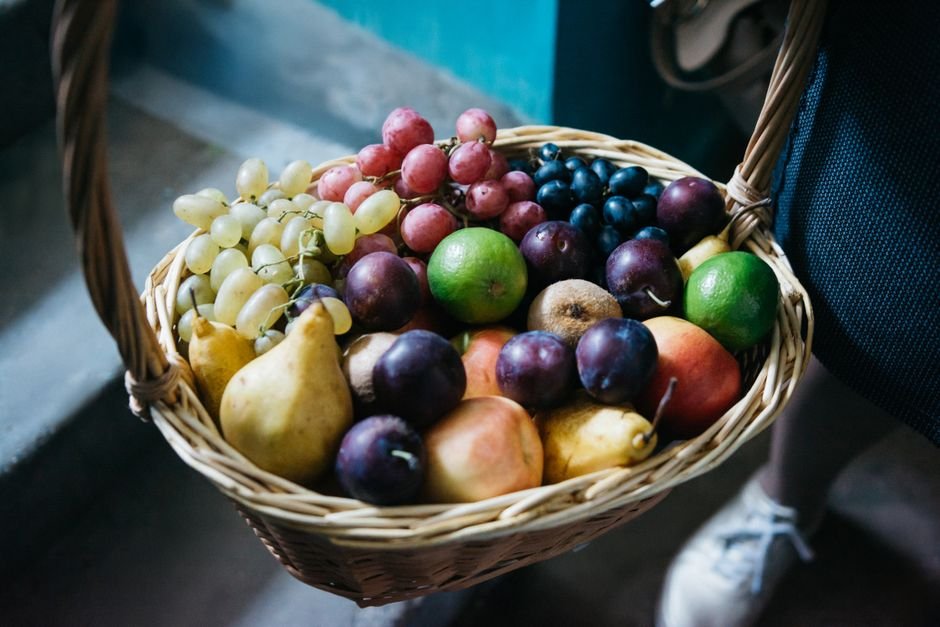
Best Occasions For An Organic Fruit Gift
An organic fruit basket is a natural fit for anyone recovering from illness or surgery, since it signals genuine care about what they’re putting into their body during recovery, without making any specific medical claims about the fruit itself. It’s a gesture of thoughtfulness more than a health intervention.
It also works especially well for new parents, since many families become more attentive to food sourcing once a baby is in the picture, and an organic fruit basket acknowledges that shift in priorities without being preachy about it. Pairing it with a note of congratulations rather than health advice keeps the gesture feeling supportive rather than judgmental.
Corporate gifting is another strong fit, particularly for a health-conscious office or a client known to prioritize wellness, since an organic fruit basket reads as a slightly more elevated, considered choice than a standard snack box. If you’re looking for a broader range of occasion-specific gift ideas, our Gift Basket Ideas By Occasion guide covers more ground.
Price Ranges And What You Get
Organic fruit generally costs more than conventional fruit due to the farming standards and certification process involved, so expect organic baskets to run somewhat higher than a comparable conventional fruit basket at every price tier. At the lower end, forty to sixty dollars typically gets a smaller, focused selection of organic fruit.
In the sixty to one hundred dollar range, expect a fuller variety of organic fruit, sometimes paired with a modest organic snack item like dried fruit or nuts, along with nicer presentation. This tends to be a reasonable sweet spot for most gift-givers.
Above one hundred dollars, you’re generally paying for a larger quantity, rarer or out-of-season organic varieties, or premium packaging. As with any fruit basket, it’s worth checking the actual fruit list rather than assuming price alone reflects quality or true organic certification.
It’s also worth remembering that organic pricing fluctuates more than conventional produce pricing, since organic supply chains are often smaller and more sensitive to seasonal availability. A price that seems unusually high or low compared to what you’ve seen elsewhere is worth a quick double-check against current seasonal organic fruit pricing before assuming it’s simply a good or bad deal.
A quick conversation with the recipient, or someone close to them, before ordering can settle the organic-versus-conventional question far more reliably than guessing, and it’s a genuinely worthwhile five-minute check for a gift where the organic distinction is the main reason for the higher price.
Local organic farms and co-ops are worth considering as an alternative sourcing option too, especially if you’re shopping for someone in the same region. Buying directly from a nearby certified organic grower can sometimes offer fresher fruit and a shorter supply chain than a larger national retailer, though selection tends to be more limited and seasonal than what a dedicated online organic fruit basket retailer can offer.
How It Compares To A Standard Fruit Basket
A standard fruit basket, built from conventionally grown fruit, is generally more affordable and often offers a wider variety of fruit types year-round, since conventional farming isn’t limited by the same certification and seasonal constraints organic farming often involves. For a gift where budget is the priority, a standard basket remains a perfectly good choice.
An organic fruit basket, by contrast, is the better choice specifically when the recipient has expressed a preference for organic food, or when the occasion calls for a slightly more considered, higher-effort gesture. It’s not that one is universally better than the other, it’s about matching the choice to what actually matters for the specific person receiving it.
Many gift-givers find that when they’re not sure which the recipient would prefer, defaulting to a mixed approach, primarily organic with a note explaining the choice, strikes a reasonable balance without overcomplicating the decision.
Looking for a genuinely fresh, well-sourced fruit basket, organic or otherwise? Basketique has spent over twenty years hand-assembling gift baskets out of Orange Park, Florida, and we know how to point you toward retailers who back up their organic claims with real certification.
Browse our Fruit & Watermelon Baskets hub to find the right fit for your gift.
Is organic fruit actually healthier than conventional fruit?
This is a genuinely debated question among nutrition researchers, and Basketique doesn’t make specific health claims either way. What organic certification does guarantee is a specific set of farming practices around pesticides and fertilizers, which is a meaningful distinction on its own regardless of the broader health debate.
How can I verify a basket is actually USDA Certified Organic?
Ask the retailer directly and look for the official USDA Organic seal referenced specifically for the fruit included, not just general organic branding on the packaging. A retailer confident in their certification will be able to point to this clearly.
Does organic fruit spoil faster than conventional fruit?
It can, since organic fruit is grown without certain synthetic preservative treatments sometimes used on conventional produce, though this varies by fruit type and grower. It’s worth planning to enjoy an organic fruit basket a bit sooner after arrival rather than expecting an extended shelf life.
Is an organic fruit basket worth the extra cost as a gift?
It depends on whether the recipient personally values organic sourcing, in our experience the gesture matters more to some people than others. Basketique’s guides can help you weigh whether a standard or organic basket fits your specific recipient better.
Can I request a mix of organic and non-organic fruit in the same basket?
Some retailers allow this kind of customization, though it’s worth asking directly since not every retailer offers mixed baskets. If organic certification matters for the whole gift, it’s simpler to choose a fully certified organic basket rather than trying to mix and match.
Leave a Reply