Quick answer: A good sympathy card message is simple, sincere, and doesn’t try to explain or fix the loss. Acknowledging the person’s grief, sharing a brief, genuine memory if you have one, and letting them know you’re thinking of them is almost always enough, you don’t need the perfect words.
Finding the right words for a sympathy card is one of the harder writing tasks most people face, and it’s completely normal to freeze up staring at a blank card during an already difficult moment. After more than twenty years hand-assembling gift baskets out of Orange Park, Florida, including plenty that accompanied a sympathy card, we’ve put together this guide gently and without any pressure to get it perfect. Here’s why this feels so hard, what to say depending on how well you knew the person who passed, and what to avoid.
If you’re reading this because you’re staring at a blank card right now, take a breath, there’s no single right answer here, only a few gentle guidelines that tend to help most people find something genuine to say.
Why Finding The Right Words Can Feel So Hard
Part of what makes sympathy cards so difficult is the fear of saying the wrong thing during a moment when the person is already hurting. There’s also a common misconception that you need to find something profound or comforting enough to actually ease their grief, when in reality, simple sincerity almost always matters more than eloquence.
It helps to remember that the person receiving the card isn’t grading your writing, they’re recognizing that you took the time to reach out at all. That alone carries real weight, regardless of how polished the actual wording turns out to be.
It also helps to remember that grief doesn’t move in a straight line, and a card can be meaningful whether it’s read the day it arrives or weeks later when the person has more space to sit with it. This takes some pressure off trying to time your message perfectly to how the recipient might be feeling in the exact moment they open it.
What To Say When You Knew Them Well
If you knew the person who passed personally, a brief, genuine memory can mean more than almost anything else you could write. A specific detail, something they said, a quality they had, a moment you shared, grounds the message in something real rather than a general expression of sympathy.
Alongside that memory, a simple line letting the recipient know you’re thinking of them and available if they need anything rounds out the message without requiring you to say more than feels natural. It’s completely fine to keep this section brief even when you knew the person well, sincerity matters more than length.
If you’re struggling to pick just one memory, it’s fine to choose something small rather than searching for the most significant moment you shared. A short story about their sense of humor, a habit they had, or a small kindness they showed you often resonates more than an attempt at something grand or profound.
What To Say When You Didn’t Know Them As Well
When you didn’t personally know the person who passed, focus your message on the recipient’s grief rather than trying to speak to a relationship you didn’t have. A simple acknowledgment of their loss, paired with a genuine offer of support, covers this situation well without overreaching into territory that isn’t yours to speak on.
It’s also completely appropriate in this situation to keep the message shorter, a few sincere sentences are enough, you don’t need to manufacture a deeper connection to the loss than actually exists.
This situation comes up often with coworkers or more distant acquaintances, where you know the recipient but never met the person who passed. In that case, focusing entirely on supporting the recipient, rather than commenting on the loss itself, tends to feel more appropriate and avoids the awkwardness of speaking about someone you didn’t actually know.

A Few Message Starters To Adapt
A gentle starting point is simply telling the recipient how deeply sorry you are for their loss, followed by a line letting them know you’re holding them in your thoughts during this difficult time. If you knew the person who passed, adding a brief, specific memory after this opening personalizes the message meaningfully.
Another approach focuses on offering support directly, letting the recipient know you’re there for them, whether that means a phone call, a meal, or simply a listening ear whenever they’re ready. Whatever starter you choose, keeping the tone gentle and unhurried matters more than the specific wording you land on.
A closing line offering something concrete, checking in next week, bringing a meal, or simply being available for a phone call, can be more genuinely useful than a vague “let me know if you need anything,” which sometimes places the burden on the grieving person to reach out. Naming something specific removes that burden and makes your offer easier for them to accept.
What To Avoid Saying
Avoid phrases that try to explain or find meaning in the loss, comments suggesting everything happens for a reason or that the person is in a better place can land painfully even when well-intentioned, since grief doesn’t always want explanation. Similarly, avoid comparing their loss to a different loss of your own, even if you mean it as a way to relate, since it can shift focus away from their specific grief.
It’s also worth being mindful of religious-specific language unless you know it aligns with the recipient’s beliefs, framing any spiritual sentiment as one option among several, rather than an assumption, keeps the message comforting rather than presumptuous. When in doubt, simpler and more universal language is almost always the safer, gentler choice.
It’s also worth avoiding language that minimizes the loss, phrases like “at least they lived a long life” or “at least it was quick,” even when meant kindly, can unintentionally suggest the grief shouldn’t be as significant as it is. Simply acknowledging the loss without qualifying it tends to feel more respectful of whatever the recipient is actually experiencing.
A Note On Sympathy Cards For Different Kinds Of Loss
Not every sympathy card responds to the loss of a person, pet loss, miscarriage, and other forms of grief also call for a card, and each deserves its own consideration rather than a one-size-fits-all message borrowed from a different situation. For pet loss specifically, acknowledging the animal by name if you know it, and recognizing the loss as genuinely significant rather than minimizing it, tends to mean a great deal to the grieving pet owner.
For losses that are less commonly acknowledged publicly, a miscarriage or an estranged family member, for example, a simple, private acknowledgment often means more than anything more elaborate, since the recipient may not be discussing the loss openly with everyone in their life.
For the loss of a pet, it’s worth avoiding language that unintentionally diminishes the relationship, phrases implying it’s “just a pet” rarely land well with someone genuinely grieving that companionship. Treating the loss with the same seriousness you’d give any other genuine loss tends to be appreciated far more than a message that inadvertently minimizes what the person is feeling.
Whatever the specific loss, the same core approach applies across all of these situations, acknowledge what happened honestly, keep the focus on the grieving person, and let sincerity carry the message rather than searching for a perfect turn of phrase that fits every circumstance.
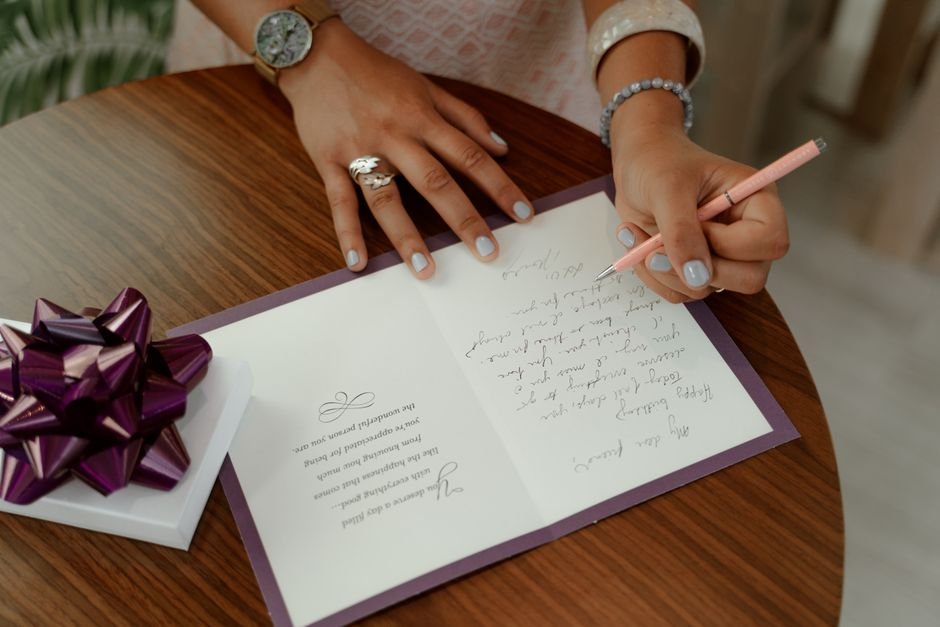
If you’re also looking to pair your card with a comforting gift, Basketique has spent over twenty years hand-assembling gift baskets out of Orange Park, Florida, including sympathy baskets meant to offer quiet comfort during a hard time.
You’re welcome to browse our sympathy gift basket picks whenever you’re ready, there’s no rush, and no pressure to pair anything with your card at all.
What if I genuinely don’t know what to say?
It’s completely okay to keep your message simple, something as short as expressing your sorrow for their loss and letting them know you’re thinking of them is enough. Most people receiving a sympathy card aren’t expecting profound words, just genuine ones.
Is it okay to mention a specific memory of the person who passed?
Yes, and it’s often one of the most meaningful things you can include if you knew them personally. A brief, genuine memory tends to mean more to grieving families than a generic expression of sympathy alone.
What if I’m worried about saying the wrong thing?
This worry is extremely common, and the safest approach is to keep your message simple, sincere, and focused on the recipient’s grief rather than trying to explain or fix the loss. In our experience, a short, genuine message rarely goes wrong.
Should I avoid religious language in a sympathy card?
Not necessarily, but it’s worth considering whether you know the recipient’s beliefs align with what you’re writing, and framing any spiritual comfort as one option rather than a certainty. When you’re unsure, simpler, more universal language tends to be the gentler choice.
Is it too late to send a sympathy card if some time has already passed?
It’s genuinely never too late, a card that arrives weeks or even months after a loss can still mean a great deal, especially once the initial flood of support has quieted down. Many grieving families find a later message just as comforting, sometimes more so, since it shows the loss hasn’t been forgotten.
Leave a Reply