Quick answer: A good care package pairs a few genuinely useful or comforting items with a clear sense of who it’s for, rather than a random pile of snacks and trinkets. The best ones are built around the recipient’s actual situation, whether that’s a stressful week, a recovery, or just missing home, and arrive with enough time to matter.
A care package is one of the most flexible gifts you can send because it works for almost any situation, a rough week, a big life change, a long stretch away from home. After more than twenty years hand-assembling gift baskets in Orange Park, Florida, we’ve seen firsthand that the care packages people remember aren’t the biggest or most expensive ones, they’re the ones that actually match the person receiving them. This guide walks through what makes a care package good, how to build one around who it’s for, when to send one, what it should cost, and how to make sure it arrives on time.
What Makes A Good Care Package
A good care package starts with a clear sense of purpose. Before you pick a single item, it helps to ask what this particular person needs right now, comfort, encouragement, practical help, or just a reminder that someone’s thinking of them. A package built around that answer will always feel more thoughtful than one built around a generic list of “things people like.”
Quality and relevance beat quantity every time. A handful of items that actually fit the recipient’s life, their taste in snacks, their current situation, their sense of humor, will land better than a box stuffed with filler just to make it look fuller. Many gift-givers find that a smaller, well-chosen package feels more personal than a large generic one, simply because it’s obvious someone paid attention.
Presentation matters too, though it doesn’t need to be elaborate. A package that opens cleanly, with a short note explaining why you sent it, tends to leave a stronger impression than one that arrives as an unexplained pile of items. The note is often the part people remember longest.
It also helps to resist the urge to fill every inch of space. A care package with a bit of breathing room, where each item is easy to see and identify right away, reads as more considered than one so tightly packed the recipient has to dig through crinkled paper to find everything. Many people find that a handful of items arranged with a little care actually looks more generous than a crammed box that took less thought to assemble.
How To Choose Based On Who It’s For
The single biggest factor in a good care package is the recipient, not the occasion. A college student, someone recovering from a procedure, and a friend going through a hard week all need very different things, even if you’re tempted to reach for the same default box of snacks for everyone.
Start by thinking about their actual daily life right now. What do they have easy access to, and what are they missing? Someone in a dorm probably has limited kitchen access, so shelf-stable snacks and easy comfort items make more sense than anything requiring prep. Someone recovering at home might appreciate cozy items and low-effort entertainment more than food at all.
It also helps to think about tone. A package for a close friend can be a little silly or inside-joke heavy, while one for a coworker or more distant relationship generally works better with a warmer, more universal set of items. Matching the tone to the relationship is just as important as matching the contents to the situation.
Age and life stage matter too, more than a lot of gift-givers initially account for. A care package built for a college student living in a dorm looks quite different from one built for a new parent adjusting to sleepless nights, even if both packages are technically responding to a stressful life stretch. Thinking through the recipient’s actual daily routine, not just the general category of “hard time,” helps you avoid sending something that’s thoughtful in theory but not especially useful in practice.

Best Occasions For Sending One
Care packages work well any time someone is away from their normal support system or going through a stretch that could use a boost. College students during exams, someone recovering from surgery or illness, new parents, people who just moved somewhere unfamiliar, and friends going through a hard breakup or job loss are all natural fits.
They also work as a lighter, more casual alternative to a formal gift for occasions like a promotion, a new apartment, or just because. If you’re weighing a care package against a more traditional gift basket, our Gift Basket Ideas By Occasion guide can help you decide which format fits the moment better.
Price Ranges And What You Get
Most care packages fall between twenty five and seventy five dollars, though the range can stretch further depending on what’s included. Under thirty dollars, expect a focused package with three or four genuine items, still meaningful, just modest. Between thirty and sixty dollars, many gift-givers find room for more variety along with nicer packaging, a printed card, tissue paper, a ribbon.
Above sixty dollars, you’re usually paying for a larger quantity, premium snack or comfort brands, or an item with real staying power, like a nice blanket or a reusable mug, rather than something consumable. None of these tiers is inherently better, the right budget depends on your relationship to the recipient and how often you’re sending packages like this.
It’s also worth thinking about frequency alongside budget. If you’re planning to send care packages to the same person more than once, a lighter touch each time, rather than one large package followed by nothing for months, tends to feel more consistently supportive. Many gift-givers find that spacing out a few smaller packages over a difficult stretch means more than a single, larger gesture up front.
Shipping And Timing Basics
Timing is where a lot of care packages fall short. If the package is tied to a specific moment, exam week, a hospital stay, a hard anniversary, it needs to arrive before or right at that moment to do its job, not a week later. Standard shipping usually takes three to seven business days depending on distance, so building in that buffer matters more than most people expect going in.
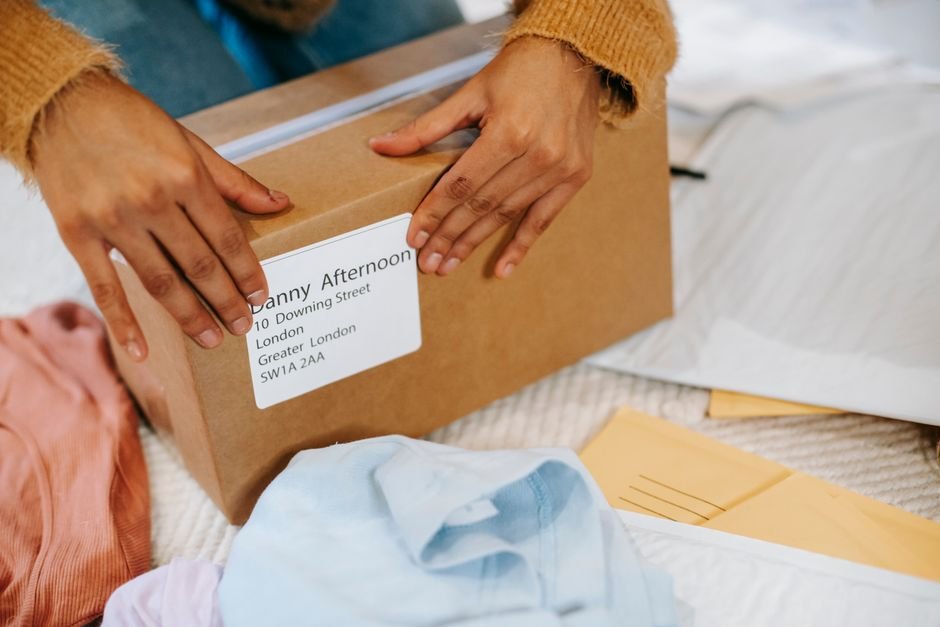
It’s also worth checking whether the recipient will actually be able to receive the package where you’re sending it. Dorms, hospitals, and temporary addresses sometimes have specific delivery rules or limited hours, so a quick check before you ship can save you from a package that sits unclaimed.
Not sure which care package fits your specific situation? Basketique has spent over twenty years hand-assembling gift baskets out of Orange Park, Florida, and we’ve organized our care package guides by recipient and occasion so you’re not stuck guessing. Read more about our roots on our About Us page.
Explore our care package guides for the exact person or moment you’re shopping for, from exam season to recovery to a friend who just needs to know you’re thinking of them.
What should I actually put in a care package?
It depends entirely on the recipient, but a good starting point is a mix of something to eat, something comforting, and something practical or personal, like a note. Many gift-givers find that three or four well-chosen items beat a dozen random ones, since it’s easier to see the thought behind a smaller, curated set.
Is it weird to send a care package to an adult?
Not at all, care packages work for people of any age going through a hard stretch or a big transition, not just college students. In our experience, adults are often more touched by an unexpected care package precisely because it’s less common than it is for someone younger.
How do I know if a care package is too much or not enough?
If you’re unsure, lean toward a smaller, more focused package rather than an overstuffed one, since quality and relevance matter more than sheer volume. A well-chosen package in the twenty five to fifty dollar range reads as thoughtful regardless of size.
What if I don’t know the person’s exact address?
It’s worth confirming the address directly rather than guessing, especially for dorms, hospitals, or temporary housing where a small error can delay delivery significantly. If you’re not comfortable asking directly, a mutual friend or family member can often confirm it discreetly.
Can I send a care package internationally?
International shipping is possible but usually takes considerably longer and can involve customs delays, so it’s worth checking specific timelines with your carrier or retailer well before the date you need it to arrive. Basketique’s guides focus on domestic shipping timelines, so always confirm international details separately.
Leave a Reply